Where healthcare AI breaks: between pilot and scale.

The product works. The pilot went well. But the enterprise contract isn't closing.

Book a Discovery Call
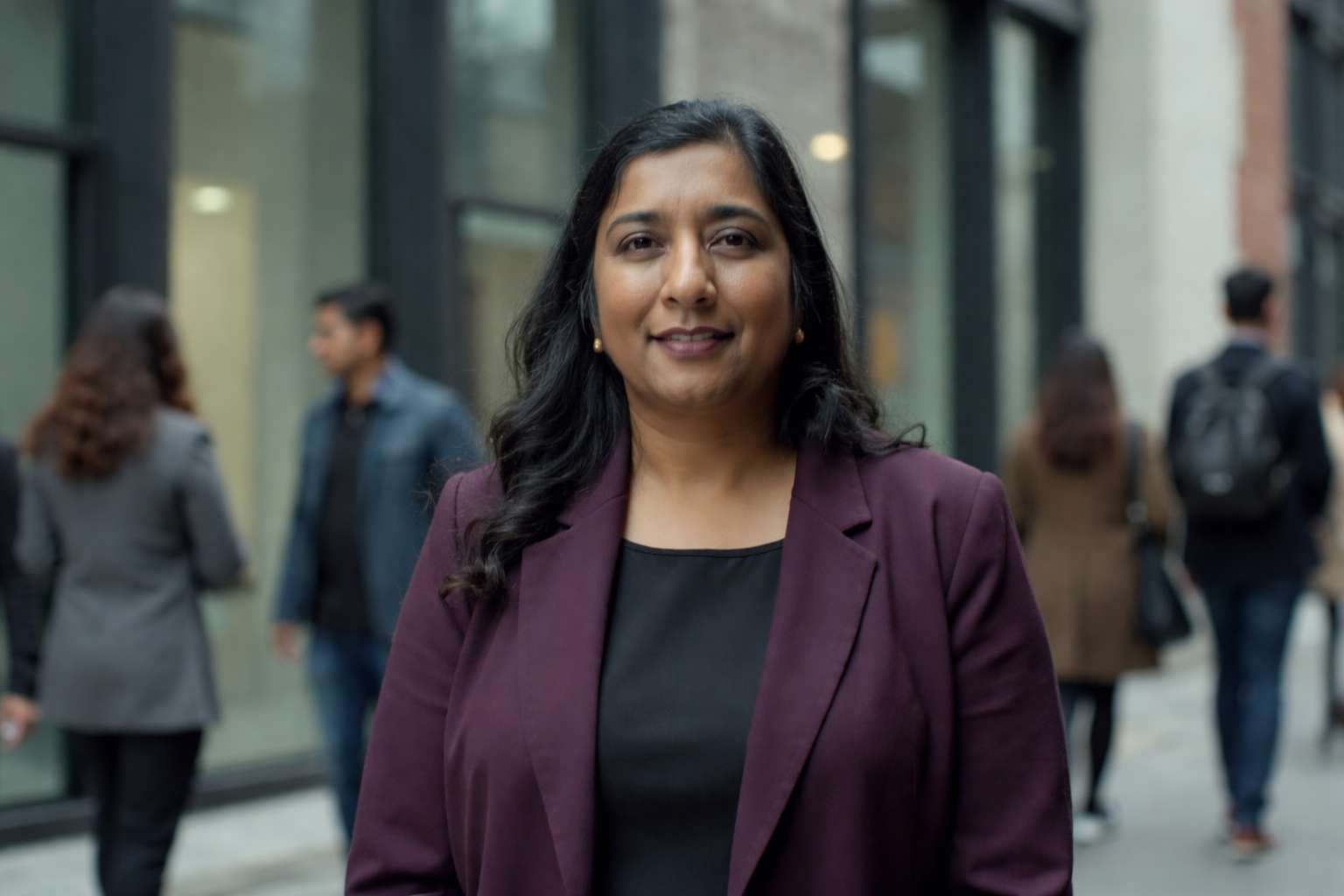
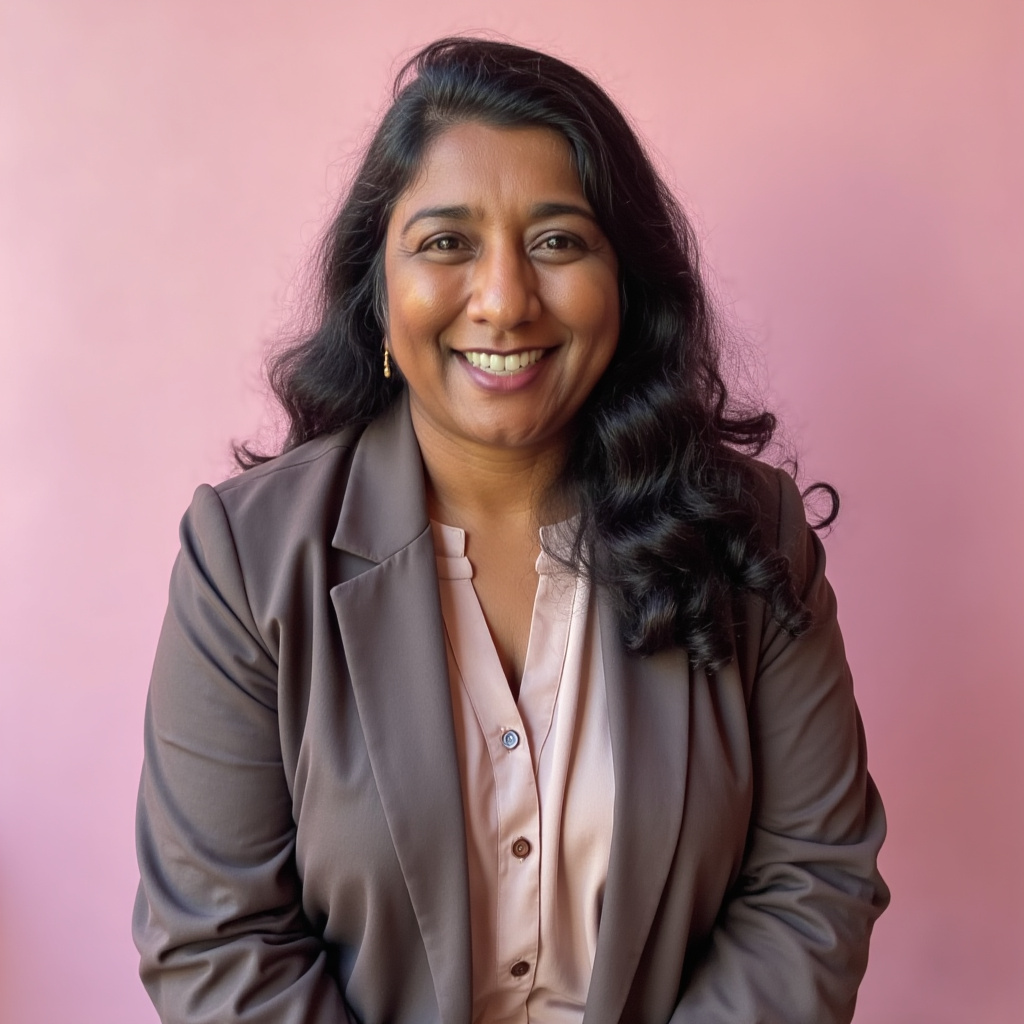
Arvita Tripati

Healthtech founders

  • 🏥 FDA-regulated AI, SaMD, connected devices, or digital health
  • 💰 Pre-seed through Series B
  • 📋 Product works. Deals aren't closing.

Healthcare investors

  • 🔍 Evaluating AI-enabled or tech-enabled health targets
  • 💼 PE or VC with healthcare portfolio exposure
  • 📋 I evaluate whether the product survives post-close.

Most healthtech leaders think they have a sales problem. They have a trust debt problem. The gap between where you think you are and where enterprise buyers see you is pilot purgatory.

Why healthtech deals stall after the pilot

Enterprise healthcare buyers don't reject products. They reject risk. And the risk they're evaluating has almost nothing to do with whether your product works.

Your pilot succeeded. Here's what's still missing:

Your buyer's compliance team hasn't seen your security posture, your data governance story, or your regulatory classification.
Your champion loves the product, but they don't have budget authority and they can't explain it to procurement.
Your pricing assumes SMB economics, but the buyer needs enterprise contracting terms they can defend internally.
Your clinical evidence proves the product is accurate, but nobody's mapped it to the outcomes the payer cares about.
Your sales team is talking features. The buying committee is evaluating organizational risk.

The technology isn't the bottleneck. Trust infrastructure is. And most companies don't realize it until they've spent 12 months in a pilot that was never going to convert.

30+
regulated products shipped across wearables, AI, diagnostics, cell therapy, and clinical trials
3
founding teams taken from zero to Series A/B
2
scale-ups through growth and acquisition
$2.3M
in quality costs one board hadn't seen until I found them

Companies where I've built, shipped, or sold

NHSLabcorpCooperVision American Red CrossAliveCorGilead ModernaJohnson & Johnson TakedaBoston Scientific

Built products at companies backed by

Khosla VenturesGE Ventures Y CombinatorDFJCanaan

How I help

For healthtech founders

Every engagement is built around the problem in front of you.

Ongoing strategic support plus ad hoc calls for the decisions that can't wait. Regulatory path, GTM sequencing, fundraising positioning, vendor vs. build decisions. Includes pitch feedback, financial model review, and narrative development when fundraising is active. Best engaged 6-8 weeks before a raise, but useful at any point where the next decision feels high-stakes. A regular thought partner, not a deliverable factory.

Delivers a sharpened value prop, persona-level messaging, and a case study framework you can use in sales conversations. Two weeks. You walk away with language that works in the room where the deal gets decided, not the room where the demo happens.

Sequencing features against regulatory milestones, buyer requirements, and fundraising timelines. What to launch as wellness now vs. what needs clinical validation. What to promise in the next board deck and what to hold back.

I've navigated this at AliveCor (FDA-cleared cardiac AI, first medical device accessory for Apple Watch) and Clip Health (FDA-authorized diagnostics under EUA). The sequencing decisions you make now determine whether you're enterprise-ready in 12 months or still explaining why you're not.

Mapping the path into a specific buyer segment. Buyer personas, objection handling, competitive positioning, and sequencing recommendations. One segment at a time, done right.

I've sat on the buying side of these decisions at companies selling into Moderna, Gilead, Novartis, BMS, and J&J. I know what makes procurement move and what makes them stall.

Deeper involvement on specific workstreams: product strategy, enterprise readiness, operating model design. Limited to two fractional clients at a time. Not a name on your deck. An operator in the work.

For healthcare investors

Your team can model the multiple. But when the target says "FDA-ready," "AI-powered," or "enterprise-grade," how do you know if that's real? Most deal teams aren't built to evaluate whether the AI claims, regulatory posture, and product architecture will survive post-close.

A 48-hour preliminary assessment. Enough to know whether the product claims hold up and whether full diligence is worth the investment. Credits toward a full engagement if you proceed.

A structured evaluation across four dimensions:

Regulatory Reality — Will this pass enterprise procurement? Compliance posture across FDA, HIPAA, EU AI Act, and SaMD classification. Not whether they checked the boxes, but whether the boxes were the right ones.

Product Durability — Will this survive real enterprise deployment? Integration readiness (EHR, billing, SSO), the gap between what sales promises and what the product delivers, and whether unit economics hold at scale.

Organizational Substance — Did they build a company or a demo? Leadership depth, quality systems, design controls, and roadmap credibility relative to the team's actual capacity.

AI Integrity — Is the AI real, defensible, and governable? Model validation on representative clinical data, not benchmarks. Data provenance and population coverage. Whether "AI-powered" means a validated model or a marketing claim wrapped around a rules engine.

Deliverable: Red/yellow/green scoring with an overall verdict (Scale-Ready, Conditional, or Rewrite Required). Risk-prioritized findings, remediation cost estimates, IC-ready summary, and executive debrief.

Turnaround: 2-3 weeks for full diligence. 48-hour preliminary read available for fast-moving deals, creditable toward the full engagement.

Priority deal support and quarterly regulatory briefings for firms with active healthcare portfolios. Retainer-based. You get a direct line when a deal is moving fast and a standing check-in when it's not.

What I've found

The clinical trial platform built from employee #1 to Top 5 biopharma

I joined as the first employee at a clinical trial technology company. Interviewed buyers, narrowed the platform to 2 workflows instead of building broad, and wrote a one-page MVP charter before a line of code was written. When engineering leadership went absent, I stepped in as interim Head of Engineering for three months—downtime dropped 83%. Built the team from 0 to 65 across three countries, handled sales enablement including FDA, ICH, ISO, and GDPR maturity objections and qualification audits, and securing a Top 5 biopharma as a client. Revenue grew 200% year over year. ARR expanded 3.8x. Retention stayed above 90% through Series A.

The quality system nobody was watching

At a company where nobody had managed quality for years, I came in and a single audit cycle surfaced 84 non-conformances in three months and $2.3M in quality costs the board hadn't seen. At a separate company, 10 quality system gaps and MDR filing delays months past FDA deadlines. I know what to look for in diligence because I've been the person who had to find it and fix it on the inside.

The hardest call isn't finding the right market. It's telling a team the market isn't there.

As an EIR at the University of Michigan, I evaluated a voice AI mental health product with a psychiatrist-inventor. The technology worked. I ran discovery interviews with psychiatrists. Every one of them said some version of "that looks really cool" and none of them said "I need this." No workflow pain. No billing hook. No urgency. They were getting by without it. I diagnosed it as a vitamin, not a painkiller, and recommended licensing the technology to an existing EHR platform instead of building a standalone company.

"Arvita crushes challenging problems and creates order where there is uncertainty. I hired her and she became an integral member of the leadership team. I hired her again to join me on the founding team at Korio."

Chuck Harris
ex-CEO at Endpoint Clinical
COO & Cofounder at Korio

"I love Arvita's discipline and the structure of her thinking. Her work through the Foundry was thorough, well-organized, and genuinely useful. I can't thank her enough—we're actively working to match her to her next technology."

Drew Bennett
Director — Software, Content Licensing and Research Partnerships
Innovation Partnerships, University of Michigan

About Arvita

19 years as a product and compliance operator at AliveCor (FDA-cleared cardiac AI, first medical device accessory for Apple Watch), Vineti (CAR-T supply chain powering $8B+ in therapeutic revenue, acquired by J&J), Clip Health (FDA-authorized diagnostics, YC-backed), and Endpoint Clinical (clinical trial technology, acquired by LabCorp). Products serve Moderna, Gilead, NHS, Novartis, Roche/Genentech, BMS, J&J, AbbVie, and Takeda.

At four of those companies, I also served as CISO and DPO—responsible for security posture, data privacy, and HIPAA compliance across products handling patient data, CAR-T supply chain records, and clinical trial information. That combination of product leadership and security ownership is why I catch the risks that pure product advisors miss and pure security consultants can't contextualize.

Carnegie Mellon CDAIO. MBA, Babson College. Regulatory affairs and quality engineering credentials for medical devices. Former EIR at University of Michigan—evaluated a lab-stage technology and killed it when the demand wasn't there.

Currently: Diligence team, Scaling Care Fund. Pop-up board member, IOVC. Illumyn Board Fellow. Advisor at Alchemist Accelerator, Redesign Health, and The Batchery. Board member, Red Dot Ranch Foundation and ASQ Biomedical Division.

Not sure where to start?

Whether you're a founder trying to close enterprise deals or an investor evaluating a target—a 20-minute call, no cost, no commitment.

Book a Discovery Call